Vintage car finance
Vintage cars are funded on provenance and originality rather than mileage or age, which is why they are placed with specialist lenders rather than mainstream motor finance.
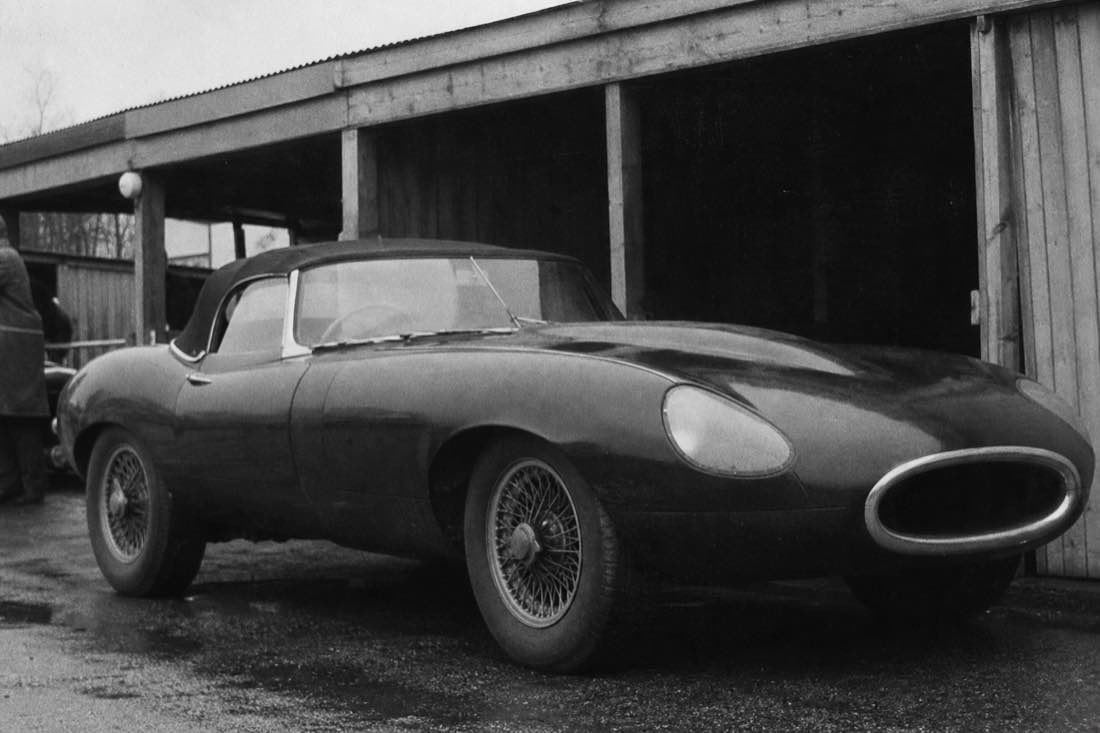
Strictly, vintage means cars built between 1919 and 1930, with veteran before that and post-vintage thoroughbred through the 1930s. In practice buyers use the word loosely for anything pre-war, and lenders care less about the label than about what can be evidenced.
What can be evidenced is the point. A car of this age has had a long life, and the file that comes with it is a large part of what is being funded.
We arrange finance for limited companies and LLPs, for sole traders and partnerships borrowing over £25,000 for business purposes, and for individuals borrowing over £60,260 who have signed a high net worth statement. Anything else is regulated consumer credit, which we are not authorised to arrange.
What makes a vintage car fundable
Continuity of history. Known ownership, with gaps explained, matters more here than on any later car.
Originality, or an honest account of what is not original. A replacement body, a later engine or a rebuilt chassis all affect value, and a lender would far rather read about it in the file than discover it at inspection.
Marque records. Several manufacturers and their clubs hold build records for cars of this era, and a certificate confirming chassis, engine and body numbers removes most of the doubt from a valuation.
Competition history, where it is claimed, needs supporting. An entry list or a period photograph is evidence; a story is not.
Valuation on a thin market
Few cars of this age trade in any given year, so valuation leans on auction results, specialist knowledge and comparable sales rather than on a price index.
That thinness cuts both ways. It makes valuations more conservative, and it makes the quality of the individual car the dominant factor: two apparently similar cars can be worth very different amounts once history and originality are taken into account.
Expect a lender to want a valuation from a recognised specialist or auction house, and to lend against that figure rather than the asking price.
Structures that suit pre-war cars
Hire purchase and lease purchase both work, with a company or a certified high net worth buyer as the borrower.
Raising money against a vintage car already owned is common where the money is needed for something else, such as another purchase or a restoration.
Auction finance matters in this part of the market, because a high proportion of the best cars change hands at sale rather than privately, and the auction house sets a payment deadline that has to be met.
Running and keeping the car
Vehicles built more than 40 years ago are generally exempt from the MOT test and can be taxed in the historic vehicle class, provided they have not been substantially modified. Exemption is not an excuse to skip inspection, and lenders will still expect the car to be roadworthy and properly maintained.
Agreed value insurance is the norm rather than the exception, and a lender will usually want it in place before completion, along with a clear account of where the car is stored.
Questions
Can you finance a pre-war car?
Yes. Specialist lenders fund pre-war cars on provenance, originality and an independent valuation. Age itself is rarely the obstacle.
What counts as a vintage car?
Strictly, a car built between 1919 and 1930. Buyers often use the term for anything pre-war, and lenders assess the individual car rather than the label.
Do vintage cars need an MOT?
Vehicles over 40 years old are generally exempt from the MOT test if they have not been substantially modified, and can be taxed as historic vehicles. Exemption does not remove the duty to keep the car roadworthy.
Will a lender want the car inspected?
On a car of this age, almost always. An inspection by a recognised specialist, alongside a valuation, is what the lending is sized against.
Finance on this page is arranged for limited companies and LLPs, for sole traders and partnerships borrowing over £25,000 wholly or predominantly for business purposes, and for individuals borrowing over £60,260 who have signed a high net worth statement. Send us the details either way: cases outside that are handled through one of our regulated partners, and we tell you who before anyone contacts you.
Start the entry form