Classic car loans
A classic car loan is nearly always secured on the car itself, written by a specialist lender who values the vehicle as an asset rather than judging it by age.
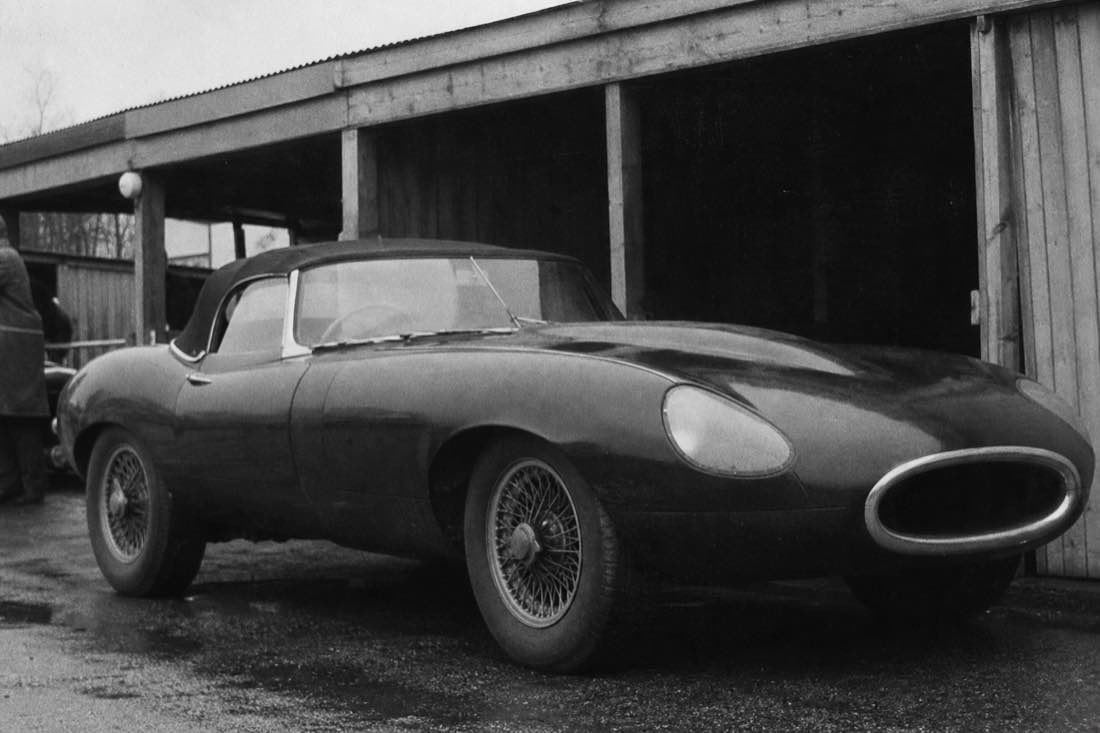
Mainstream motor finance is built around cars with a predictable future value. A lender can look up what a three year old hatchback will be worth in three years and price the agreement around it. No such table exists for a 1965 roadster, which is why high street lenders either decline older cars outright or impose an age cap that rules them out.
Specialist lenders work the other way round. They value the specific car, look at its history and condition, and lend against that. The result is that a well documented classic can be easier to fund than a tired modern car of the same value.
We arrange finance for limited companies and LLPs, for sole traders and partnerships borrowing over £25,000 for business purposes, and for individuals borrowing over £60,260 who have signed a high net worth statement. Anything else is regulated consumer credit, which we are not authorised to arrange.
What kind of loan suits a classic?
Hire purchase is the workhorse. You put down a deposit, the lender pays the seller, and you clear the balance across the term. Title passes to you at the end. Because the agreement is secured on the car, rates are usually lower than on an unsecured loan of the same size.
Lease purchase is hire purchase with a balloon payment left at the end. It keeps the monthly figure down, which matters on higher value cars, and the balloon is then settled from cash, refinanced, or covered by selling the car. On an appreciating classic the balloon deserves the most thought, because the car has to be comfortably worth more than it when the term ends.
A loan secured against a car you already own does the opposite job: it releases capital rather than funding a purchase. The car normally stays with you, the lender registers its interest, and the amount depends on the valuation and how readily that model sells.
An unsecured business loan is occasionally the cleaner answer, particularly on lower value cars where the cost of valuation and inspection outweighs the rate saving.
What lenders look at on an older car
Provenance comes first: chassis and engine numbers, build records, ownership history and bills. Where a marque issues a heritage certificate, lenders expect to see it.
Condition comes second, evidenced by an inspection from a recognised specialist. Restoration work needs invoices, photographs and the name of the restorer, because an undocumented restoration is worth materially less to a lender than a documented one.
Then valuation. An independent valuation from a marque specialist or an auction house is what the loan is sized against, not the asking price.
Finally, how the car will be kept: agreed value insurance, secure storage, and a realistic account of the mileage it will do.
How much can you borrow, and for how long?
Lending is set against the valuation rather than the price you have agreed, so a keen purchase helps you and an optimistic one does not. Deposits on classics are typically larger than on modern cars, and terms run shorter.
Rates depend on the lender, the car, the structure and the borrower, so any figure quoted without seeing all four is guesswork. The calculator on this site lets you model a payment with your own assumptions rather than ours.
Deposit, term and what drives the rate
Deposits on classics are usually larger than on modern car finance. The lender is funding a specific vehicle rather than a model line, so it wants the borrower to carry meaningful equity from day one, and the gap between valuation and purchase price is the first place that shows up.
Terms are shorter for the same reason. A long term on an older car pushes the lender further into the future than it can see, and it raises the risk that the outstanding balance overtakes the value of the car.
Four things move the rate: the lender's own cost of funds, the car and how liquid its market is, the structure and how much is deferred to a balloon, and the borrower, including how long a company has traded and what security sits behind it.
None of that can be quoted sensibly in advance of seeing the case, which is why this site carries no rate table. The calculator lets you model a payment against your own assumed rate so you can see how sensitive the monthly figure is to each lever.
Refinancing and settling early
Refinancing an existing agreement is common on classics, particularly on cars bought quickly at auction on short term funding and then moved onto a longer structure once the paperwork is complete.
Two numbers decide whether it is worth doing: the settlement figure on the existing agreement, including any early repayment charge, and the current valuation. Where the value has risen since purchase, refinancing can also release the difference.
Where a lease purchase is approaching its balloon, the same exercise applies. The balloon can be settled from cash, refinanced onto a new term, or covered by selling the car, and which is sensible depends on what the car is worth at that point rather than what it was worth at the start.
Where the regulatory line falls
Borrowing by a limited company or an LLP is not regulated consumer credit, whatever the amount, because the borrower is not an individual.
A sole trader or small partnership borrowing wholly or predominantly for business purposes is exempt above £25,000.
An individual borrowing more than £60,260 can borrow under the high net worth exemption, with a certified statement and the declaration that goes with it.
Everything else, including buying a classic for personal enjoyment, is regulated consumer credit, which requires FCA authorisation that we do not hold. Send the enquiry anyway: those cases are handled through one of our regulated partners, and we tell you which firm before anyone contacts you.
Questions
Can you get a loan on a classic car?
Yes, from specialist lenders who value the car rather than applying an age cap. The agreement is normally secured on the vehicle, supported by an independent valuation and evidence of condition.
How long can you finance a classic car for?
Terms are usually shorter than on modern car finance. The length a lender will offer depends on the car, the structure and how the borrowing is to be repaid.
Is a classic car loan cheaper than a personal loan?
A secured agreement is generally priced better than unsecured borrowing of the same size, because the lender has the car as security. The trade-off is valuation, inspection and the conditions attached to keeping the car.
Can I get a classic car loan as a private individual?
We arrange it directly where the borrowing is exempt, which for an individual means more than £60,260 with a certified high net worth statement. Below that it is regulated consumer credit, and the enquiry is handled through one of our regulated partners instead.
Finance on this page is arranged for limited companies and LLPs, for sole traders and partnerships borrowing over £25,000 wholly or predominantly for business purposes, and for individuals borrowing over £60,260 who have signed a high net worth statement. Send us the details either way: cases outside that are handled through one of our regulated partners, and we tell you who before anyone contacts you.
Start the entry form